Social ABC Bookmarking Website | Do Follow 2025

Madagascar Visa Online Guide for Liberia Passport Holders

Traveling from Liberia to the beautiful island nation of Madagascar offers an unforgettable experience filled with unique wildlife, tropical beaches, and rich cultural heritage. Before planning the journey, travelers must understand the entry requirements, and one of the most important steps is applying for the Madagascar eVisa for Liberian citizens. This online visa system makes it easier for tourists to prepare in advance, ensuring a smooth arrival process and hassle-free immigration clearance at the airport.

For Liberia passport holders, the Madagascar eVisa for Liberia citizens is a convenient way to explore famous destinations like Antananarivo, Nosy Be, and Avenue of the Baobabs without complex paperwork. Tourists are advised to apply online before travel, carry printed approval documents, and follow all immigration guidelines upon arrival. With proper preparation, the  Madagascar eVisa for Liberia citizens  helps ensure a seamless travel experience so visitors can fully enjoy Madagascar’s natural beauty, adventure activities, and vibrant local culture.

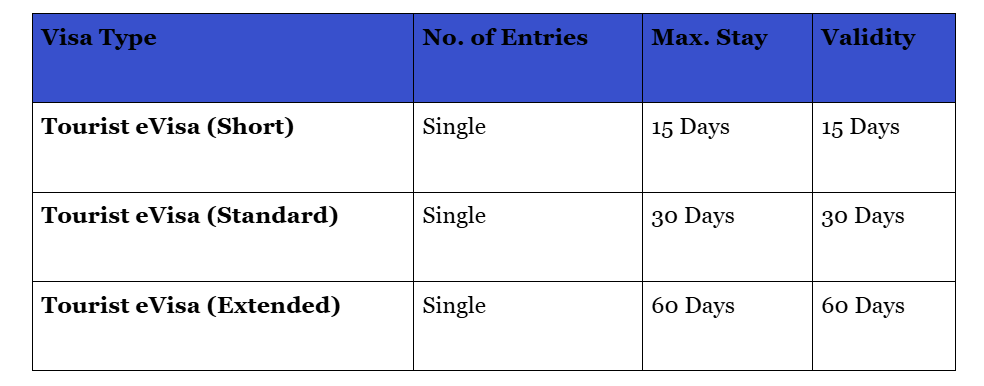
What are the types of Madagascar eVisa for Liberian citizens?

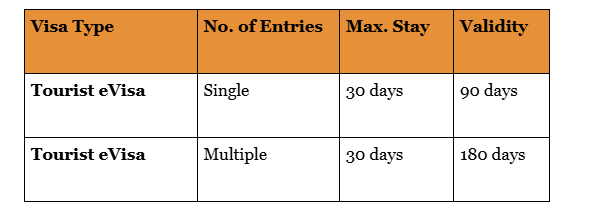
Liberian travelers have three primary options when applying for a Tourist eVisa. The choice depends entirely on the duration of your planned stay. It is important to note that these are single-entry permits, meaning once you leave the country, the visa becomes invalid even if you have days remaining.
What are the required documents for the Madagascar eVisa?

One of the best parts about the Madagascar online system is the minimal paperwork. Unlike traditional embassy visas that might require a mountain of forms, the eVisa for Liberia passport holders focuses on the essentials.

  • Original Passport: You must hold a passport valid for at least 6 months from your intended date of arrival.
  • Digital Scan: A clear, high-resolution scan of your passport bio-page.

How long does it take to process a Madagascar visa?

The processing time for a Madagascar visa depends on the type of service selected, allowing travelers to choose based on their urgency and travel plans. Under normal conditions, the standard processing takes around 4 to 6 working days, making it suitable for well-planned trips. For those who need faster approval, the rush service usually takes 2 to 4 working days, while super rush applications can be processed in just 1 to 3 working days. This flexible system helps travelers apply for the Madagascar visa according to their schedule, ensuring smoother travel preparation and timely approval for their journey.

How to apply for a Madagascar eVisa from Liberia?

The application process is entirely digital, allowing you to apply from the comfort of your home in Liberia. Follow these steps:
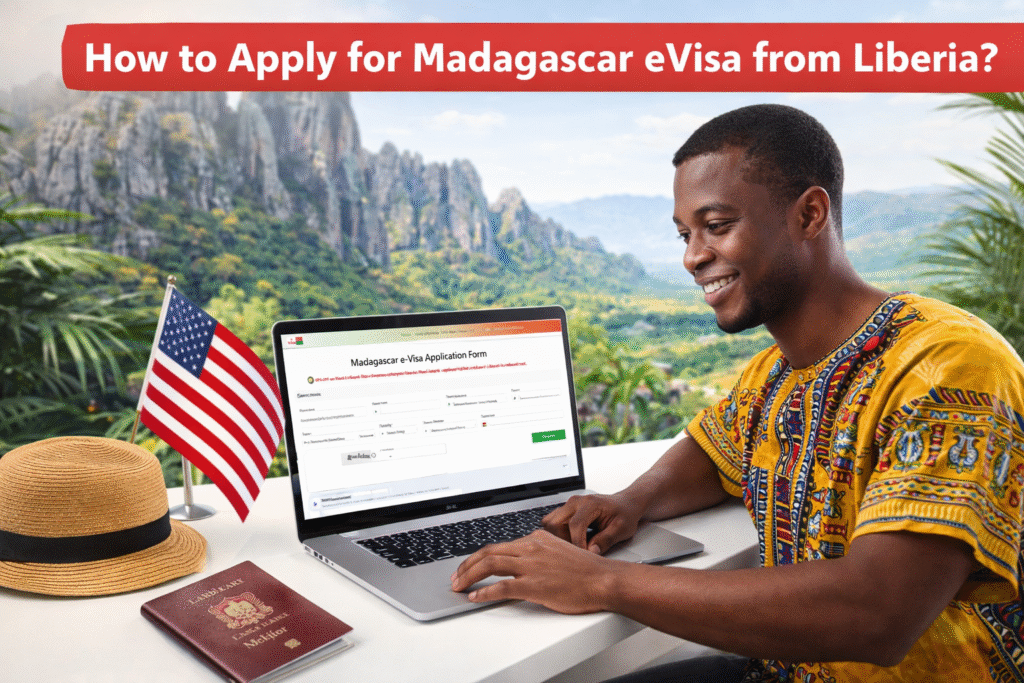
  1. Fill the Form: Enter your personal details, passport information, and travel dates into the online portal.
  2. Upload Documents: Attach the digital scan of your passport.
  3. Payment: Pay the processing fee using a secure online method.
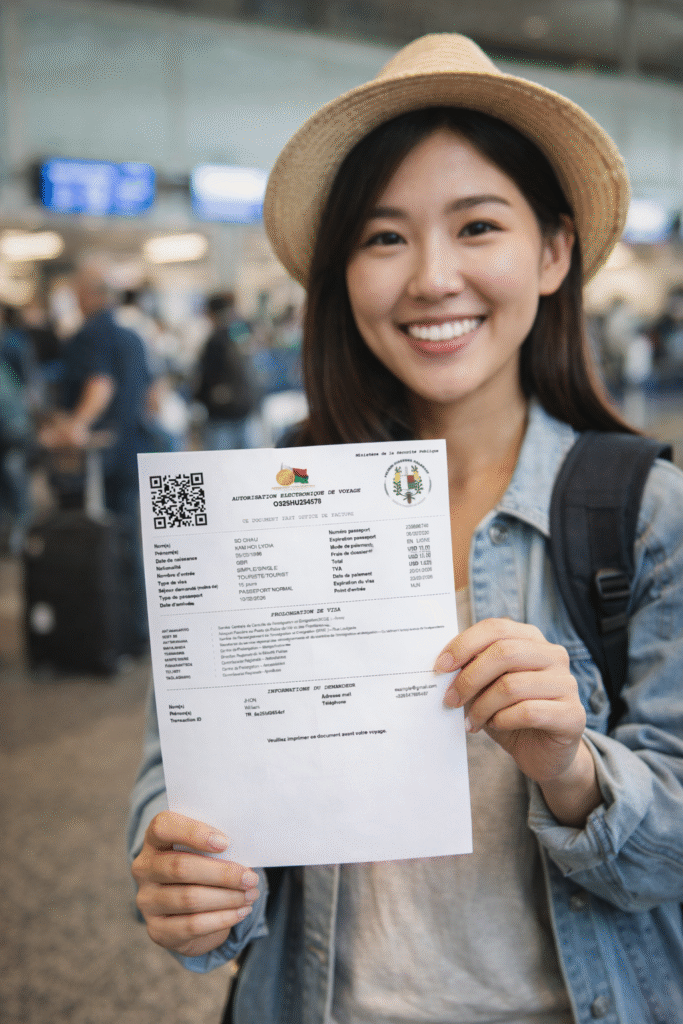
  4. Receive Approval: Your landing authorization will be sent to your email. You must print this document and present it to the immigration officer upon arrival at Ivato International Airport or other designated entries.

What are the entry and exit stamp rules for Madagascar eVisa travelers?

Travelers visiting Madagascar with an eVisa must follow specific entry and exit stamp rules to ensure smooth immigration processing and legal stay. These stamps are important because they officially record when you enter and leave the country, and they determine the validity of your stay under the Madagascar eVisa system.

  • Entry Stamp on Arrival: Immigration officers place an entry stamp in your passport when you land in Madagascar, confirming your official date of entry.
  • eVisa Verification: You must present a printed eVisa approval along with your passport before receiving the entry stamp.
  • Accurate Passport Details: The entry stamp must match your passport details exactly, including name and passport number.
  • Exit Stamp on Departure: When leaving Madagascar, an exit stamp is added to confirm you have not overstayed your permitted duration.
  • Overstay Consequences: Staying beyond the stamped duration can lead to fines, penalties, or future visa restrictions.
  • Keep Documents Safe: Always keep your stamped passport safe, as it serves as proof of legal travel history.
  • Check Duration Carefully: Your allowed stay starts from the entry stamp date, not from your visa approval date. 

Can I get an emergency eVisa for Madagascar in urgent situations?

Travelers planning to visit Madagascar in urgent situations often look for emergency visa options. While there is no separate “emergency eVisa” category, the system provides a Super Rush processing option that works as the fastest alternative for last-minute travel needs such as family emergencies or urgent business trips.
  • No separate emergency visa: Madagascar does not offer a dedicated emergency visa type.
  • Fastest option available: The Super Rush service processes applications in about 1–3 working days.
  • Suitable for urgent travel: Ideal for emergencies like medical visits, family situations, or urgent business meetings.
  • Accurate details required: Any mistakes in the application can cause delays or rejection.
  • Same document rules apply: Passport, travel details, and supporting documents must still be provided correctly.
  • Quick approval process: Applications are prioritized but still go through standard immigration checks.
  • Recommended preparation: Apply as early as possible even when using Super Rush to avoid last-minute issues.

Is it possible to convert a tourist visa into a work visa in Madagascar?

In Madagascar, a tourist visa cannot be converted into a work visa while you are already in the country. Tourist visas are only issued for short-term visits such as tourism, family visits, or leisure travel, and they do not permit any kind of employment. If you plan to work in Madagascar, you must apply for a proper long-stay or work visa through a Malagasy embassy or consulate before traveling. Immigration authorities do not allow changing visa types from tourist to work inside the country, so it is important to choose the correct visa category in advance to avoid legal complications.

How long should I wait before re-entering Madagascar (2-month gap rule)?

Travelers visiting Madagascar should understand the unofficial “2-month gap rule” when planning re-entry on a tourist eVisa. While it is not a strict written law, immigration officers may closely monitor frequent exits and re-entries (often called visa runs), as they can suspect misuse of short-term tourist visas. To avoid issues at the border, travelers are generally advised to stay outside the country for a reasonable period before applying for a new visa or re-entering.

  • Not an official law: The 2-month gap is a general immigration practice, not a fixed legal rule.
  • Visa run monitoring: Frequent short exits and immediate re-entries may attract extra questioning.
  • Immigration scrutiny: Officers may check travel history to ensure genuine tourism intent.
  • Recommended gap: Staying outside Madagascar for a few weeks to 2 months is considered safer.
  • Longer stay option: Consider applying for a 90-day visa or extension instead of repeated entries.
  • Extension route: Legal extensions can be requested through local immigration authorities in Antananarivo.
  • Best practice: Plan longer stays properly to avoid entry refusal or complications.

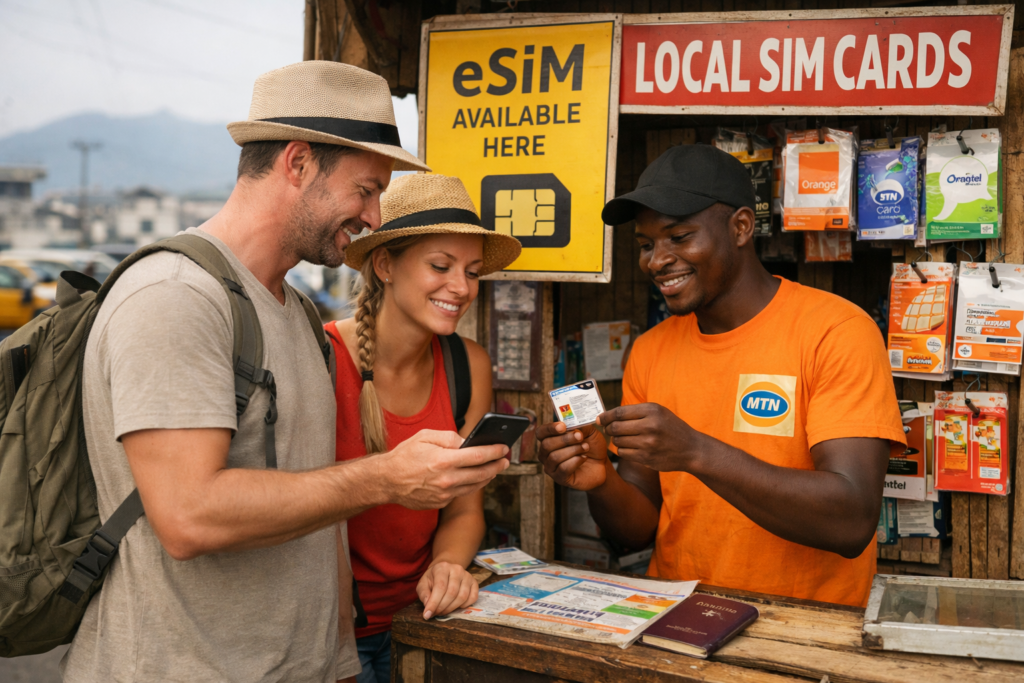
Can I buy a SIM card easily after arriving in Madagascar?

Travelers arriving in Madagascar can easily buy a SIM card after landing, making it simple to stay connected for navigation, communication, and travel updates. At major entry points like Ivato International Airport (TNR), visitors will find official booths of leading mobile operators that provide quick SIM activation services for tourists.
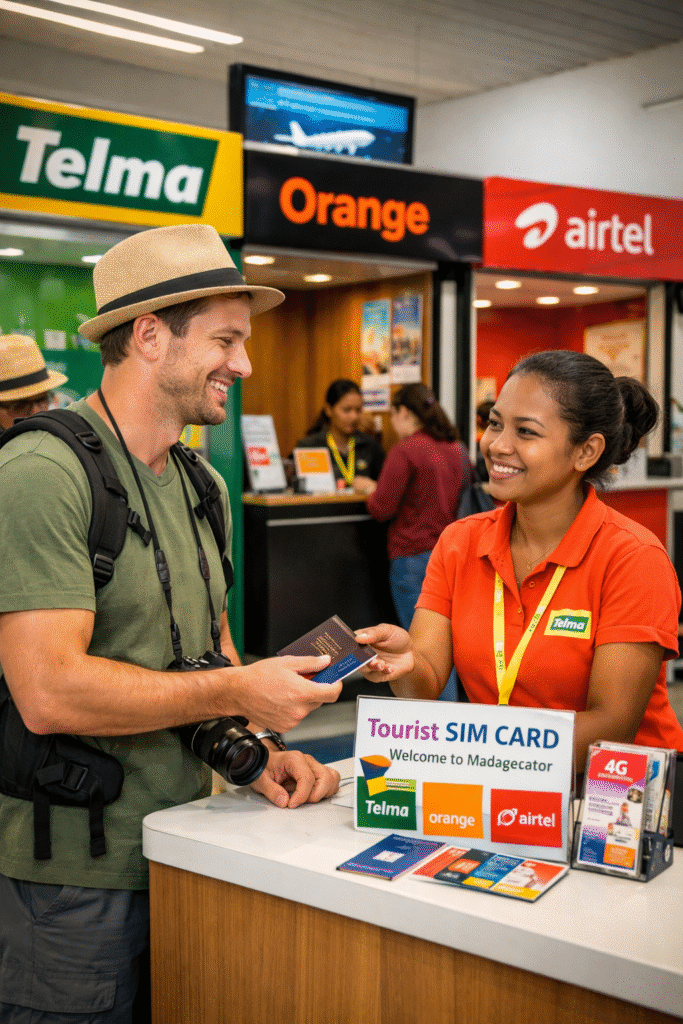
  • Available at airport: SIM cards can be purchased directly at Ivato International Airport on arrival.
  • Major providers: Popular networks include Telma, Orange, and Airtel.
  • Passport required: Registration is mandatory, so you must show your passport.
  • Affordable cost: SIM cards are inexpensive and widely accessible for tourists.
  • Data plans: Mobile data packages are budget-friendly and suitable for short-term travel.
  • Quick activation: SIM cards are usually activated immediately after purchase.
  • eSIM option: Some travelers may also use eSIM services if their phone supports it.

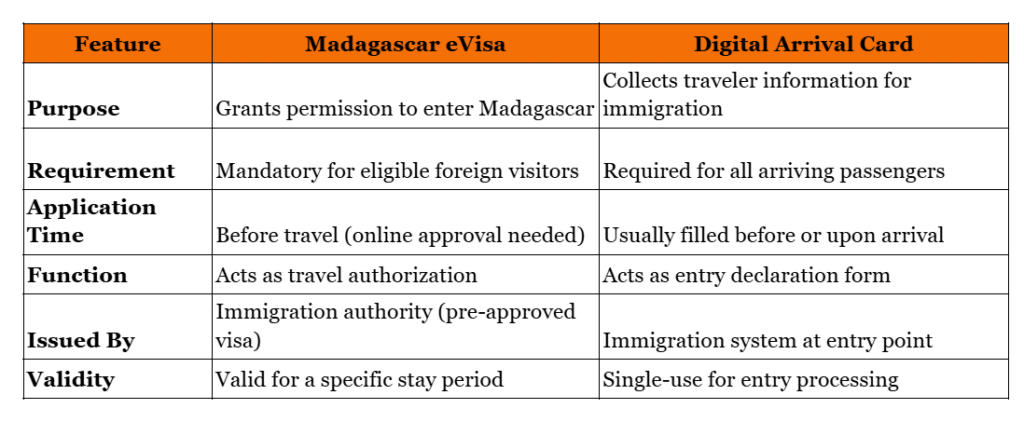
What is the difference between Digital Arrival Card and Madagascar eVisa?

Travelers visiting Madagascar often confuse the Digital Arrival Card with the Madagascar eVisa, but both serve different purposes in the entry process. The eVisa is an official travel authorization that allows you to enter the country, while the Digital Arrival Card is mainly an immigration form used for passenger information and border processing on arrival. Understanding the difference helps ensure smooth entry without delays at immigration.
What is an e-Medical Attendant Visa for Madagascar and who can apply?

Travelers visiting Madagascar for medical purposes may need to understand the e-Medical Attendant Visa, which is designed specifically for companions of patients receiving treatment in the country. This visa ensures that a family member, guardian, or caregiver can legally stay in Madagascar to support the patient during their medical care.

  • Purpose: Issued to accompany a patient traveling for medical treatment in Madagascar.
  • Eligible applicants: Usually close family members, guardians, or authorized caregivers.
  • Linked to patient visa: Validity depends on the duration of the patient’s medical visa.
  • Medical proof required: A recommendation or confirmation from a recognized hospital in Madagascar is necessary.
  • Travel restriction: Cannot be used for tourism or employment purposes.
  • Stay duration: Matches the patient’s treatment period and may be extended if needed.
  • Supporting role: Ensures the patient has proper assistance during medical care.

What currency is used in Madagascar for tourists?

Travelers visiting Madagascar should know that the official currency used for all daily transactions is the Malagasy Ariary (MGA). Understanding the local currency is important for smooth travel, as most expenses such as transport, food, and shopping are handled in Ariary rather than foreign currencies.
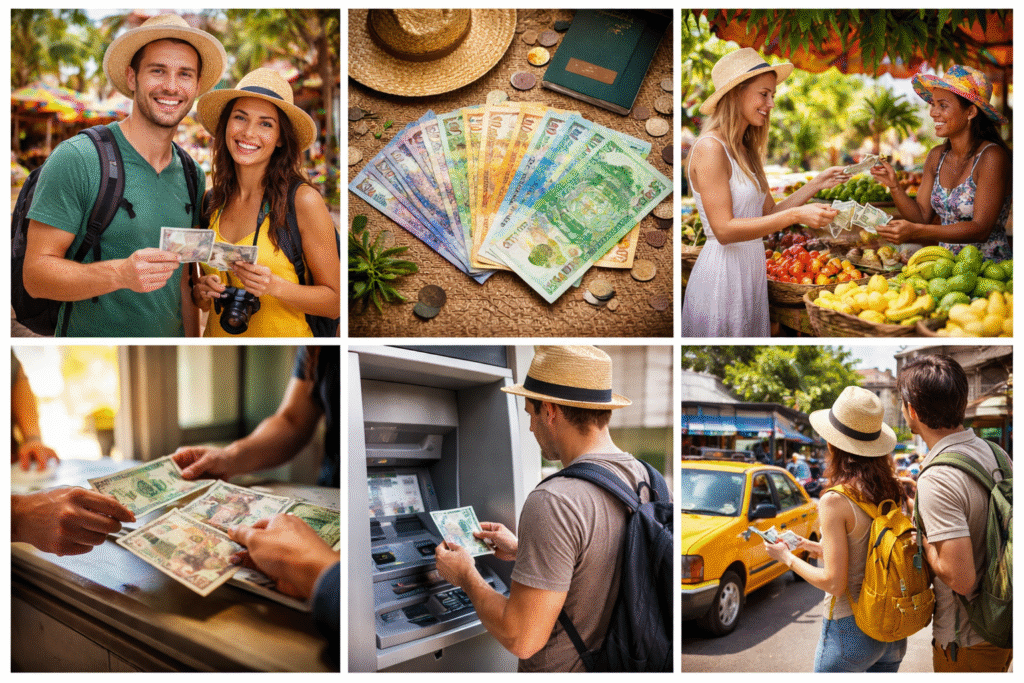
  • Official currency: Malagasy Ariary (MGA) is the only legal tender for daily use.
  • Foreign exchange: USD and EUR can be exchanged at airports, banks, and major cities.
  • Daily payments: Markets, taxis, and restaurants mostly accept only Ariary.
  • Tourist pricing: Some hotels and tour operators may quote prices in Euros, but payment is usually converted to Ariary.
  • ATM availability: ATMs are available in major cities but may have withdrawal limits.
  • Cash importance: Carrying cash is recommended, especially when traveling outside urban areas.
  • Best practice: Keep small denominations for easy transactions in local markets.

Is multiple entry allowed on Madagascar eVisa?

No, the standard Madagascar eVisa issued to Liberia passport holders is a single-entry visa. This means that if you decide to take a quick side trip to Mauritius or the Seychelles, you cannot use the same visa to return to Madagascar. You would need to apply for a brand-new eVisa to re-enter the country.

Which countries are eligible for Madagascar eVisa? 

Travelers visiting Madagascar can apply for an eVisa system that is generally open to most nationalities, making it easier for tourists worldwide to enter for short stays. However, eligibility may vary depending on bilateral agreements, passport type, and immigration rules, so it is always important to check specific requirements before applying.

  • Most nationalities eligible: Citizens from many countries in Asia, Africa, Europe, and the Americas can apply for Madagascar eVisa.

  • Tourist purpose only: Eligibility is mainly for tourism, leisure, and short family visits.
  • Visa on arrival option: Some travelers may also be eligible for visa on arrival depending on nationality.
  • Passport requirement: A valid passport with minimum validity (usually 6 months) is required for all applicants.
  • Restricted countries: A few nationalities may need to apply through a Malagasy embassy instead of online.
  • Stay duration: eVisa is typically issued for short stays such as 15, 30, or 60 days.
  • Approval depends on review: Even eligible applicants must pass immigration verification.

Conclusion:

Securing a Madagascar Visa for Liberia passport holders is a straightforward process that opens the door to one of the most biodiverse places on Earth. By choosing the right visa duration whether it’s 15, 30, or 60 days and ensuring your passport has the required six-month validity, you can avoid common travel pitfalls. Remember to print your eVisa authorization, keep your return ticket handy for immigration, and prepare for a currency system where the Ariary is king. Whether you are traveling for the lemurs, the baobabs, or business opportunities, having your documentation in order ensures your Malagasy adventure starts on the right note. Safe travels! 

How Long Does It Take for Saudi Citizens to Get an Egypt eVisa

Saudi travelers can now enjoy a smooth and convenient application process by securing an Egypt eVisa for Saudi Arabia Citizens online. This eVisa eliminates the need for long embassy visits and allows travelers to plan their trips efficiently. With just a valid passport, personal details, and digital copies of supporting documents, Saudi visitors can apply from the comfort of their home and receive approval before their departure. Applying in advance ensures a hassle-free journey and gives tourists peace of mind while exploring Egypt’s rich history and vibrant culture.

Egypt offers a wealth of attractions for tourists holding an  Egypt eVisa for Saudi Arabia Citizens . Visitors can marvel at the majestic Pyramids of Giza, cruise along the Nile in Luxor, or immerse themselves in the bustling markets of Cairo. From historical temples to scenic desert landscapes and coastal resorts along the Red Sea, Egypt provides experiences for every type of traveler. Securing the eVisa ahead of time allows Saudi tourists to fully enjoy their adventure without worrying about administrative delays, making their trip to the land of the Pharaohs unforgettable.

What Are the Egypt Visa Types for Saudi Citizens?

Saudi nationals have two primary choices when applying for a tourist eVisa. The choice depends entirely on your travel frequency and whether you plan to visit neighboring countries during your trip.

The Single Entry option is perfect for a one-time vacation. If you plan to hop between Egypt and Saudi Arabia or visit other regional destinations like Jordan and then return to Egypt, the Multiple Entry visa is the more efficient choice.

How Fast Is the Processing Time for an Egypt Visa?

For Saudi travelers applying for an Egypt eVisa for Saudi Arabia Citizens, understanding the processing times is crucial to ensure a smooth start to their journey. Depending on how soon your trip is, you can select from three processing tiers that suit your travel needs. Normal Processing typically takes 5–7 working days and is ideal for planned vacations or early bookings. Rush Processing reduces the approval time to 3–5 working days, perfect for last-minute adjustments to travel plans. For urgent or emergency travel, Super Rush Processing delivers eVisa approval within 2–3 working days. While it is always recommended to apply at least a week in advance, these flexible options allow Saudi travelers to secure their Egypt eVisa for Saudi Arabia Citizens on time and enjoy a hassle-free trip to explore Egypt’s historic landmarks and cultural attractions.

What Are the Document Requirements for Saudi Nationals?

The paperwork for the Egypt Visa for Saudi Arabia Citizens is minimal. Unlike traditional visas, you don’t need piles of bank statements.

  • Passport Bio Page: A high-quality color scan of the page containing your photo and personal details.
  • Passport Validity: Your Saudi passport must be valid for at least six months from the date you arrive in Egypt.

What Are the Age Rules for Children Traveling on an Egypt eVisa?

When planning a trip to Egypt with children, it’s important to understand the age-related regulations for eVisa applications. Key points include:

  • Children of All Ages: Any child, regardless of age, must have their own passport and eVisa to enter Egypt.
  • Accompanying Adults: Minors traveling with parents or guardians must be listed on the application and may require additional consent documents.
  • Infants: Even infants under 1 year old require an eVisa, as Egypt does not allow entry without individual documentation.
  • Application Process: The eVisa for children is completed online, similar to adults, with passport details and personal information.
  • Border Requirements: Parents or guardians should carry proof of relationship (e.g., birth certificate) when traveling with minors to ensure smooth entry.

How to Apply for an Egypt eVisa?

The application is 100% digital, removing the need to visit a physical office.

  1. Fill the Online Form: Enter your personal details, passport info, and travel dates accurately.
  2. Upload Documents: You only need a clear scan of your Passport Bio Page.
  3. Pay the Fee: Use a secure credit or debit card.
  4. Receive via Email: Once approved, the eVisa is sent directly to your inbox. You must print this copy to show at the airport.

Can I Apply for an Egypt eVisa for a Group of Travelers?

Yes, you can apply for an Egypt eVisa for a group of travelers, but each member of the group must have an individual eVisa. While the application process can be started simultaneously for multiple travelers, every person regardless of age needs their own passport details and personal information submitted online. Group applications are convenient for families, tour groups, or business travelers, as they allow the organizer to manage multiple submissions at once. It’s important to ensure that all documents are accurate and consistent to avoid delays, and that each traveler meets the standard eligibility requirements for an Egypt eVisa.

Can an Egypt eVisa Be Converted on Arrival?

No, an Egypt eVisa cannot be converted upon arrival. The eVisa is issued for a specific purpose typically tourism or business and must be applied for and approved before traveling. Travelers cannot change the visa type, extend it beyond its validity, or convert it into a different visa category once they arrive in Egypt. Attempting to do so may lead to denial of entry or fines. To avoid issues, it’s important to carefully select the correct visa type during the online application and ensure all travel documents match the purpose of your visit.

What Activities Are Allowed on a Tourist Egypt eVisa?

A Tourist Egypt eVisa allows travelers to explore the country for leisure and sightseeing purposes. Key points to understand include:

  • Sightseeing and Tours: Visit Egypt’s famous landmarks, museums, and historical sites such as the Pyramids of Giza, the Sphinx, and the Egyptian Museum.
  • Photography and Exploration: Capture memories through photography and explore cities, markets, and natural attractions.
  • No Business Activities: The tourist eVisa does not permit employment, long-term study, or commercial business operations.

What Is the Best Way to Use Taxis in Egypt?

Navigating Cairo or Alexandria requires a bit of strategy.

  • Ride-Hailing Apps: Using apps like Uber or Careem is the best way for Saudi tourists to ensure fair pricing and tracked routes.
  • White Taxis: These are metered. Always insist the driver turns the meter on before the car starts moving.
  • Negotiation: If using a non-metered cab, agree on the total price before sitting inside.

Can Tourists Rent a Car in Egypt?

Yes, tourists can rent a car in Egypt, making it easier to explore the country at their own pace. Most major cities, including Cairo, Alexandria, and Luxor, have numerous car rental agencies offering a range of vehicles from compact cars to SUVs. To rent a car, tourists typically need a valid passport, an Egypt tourist eVisa, and an international driving permit (or a driver’s license recognized in Egypt). Rental agencies may also require a credit card for payment and a security deposit. Renting a car provides flexibility for sightseeing, visiting historical sites, and exploring areas outside major cities, but drivers should familiarize themselves with local traffic rules and driving conditions to ensure a safe experience.

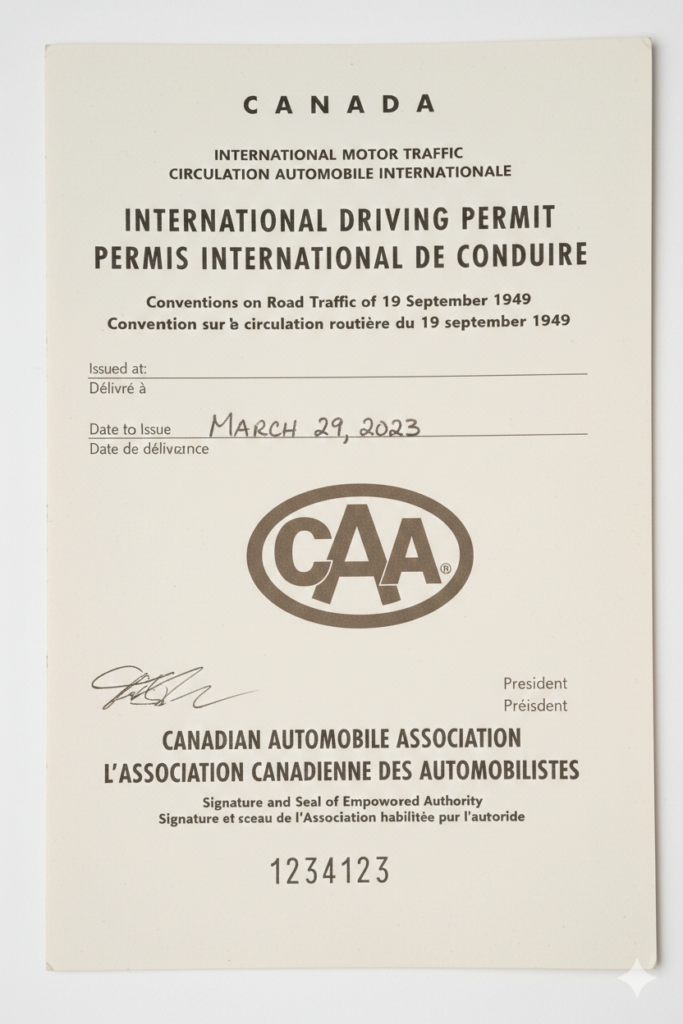
Do I Need an International Driving Permit to Drive in Egypt?

Driving in Egypt as a tourist requires proper documentation to ensure compliance with local laws. Key points include:

  • International Driving Permit (IDP) Requirement: Most tourists need an IDP in addition to their valid home country driver’s license.
  • Not Carry your passport and Egypt tourist eVisa while driving for identification purposes.
  • Rental Agency Rules: Car rental companies often require an IDP before handing over the vehicle.
  • The IDP is generally valid for the same duration as your tourist visa or short-term visit.
  • Compliance with Traffic Laws: Using an IDP ensures you follow Egypt’s traffic regulations and avoid fines or legal issues.

Which Airports Are the Top Entry Points for Egypt eVisa Holders?

Egypt eVisa holders can enter the country through several major international airports that efficiently handle tourist arrivals. Key points include:

  • Cairo International Airport (CAI): The busiest airport in Egypt, offering direct flights from many countries and quick eVisa processing.
  • Hurghada International Airport (HRG): Popular for Red Sea resorts, ideal for tourists visiting coastal destinations.
  • Sharm El Sheikh International Airport (SSH): Convenient for travelers heading to the Sinai Peninsula and resort areas.
  • Luxury Serves tourists visiting historic sites along the Nile, including temples and tombs.
  • Safety and Facilities: These airports are well-equipped with immigration counters, eVisa verification, and traveler services for a smooth entry process.

What Should I Do If I Lose My Passport While Traveling in Egypt?

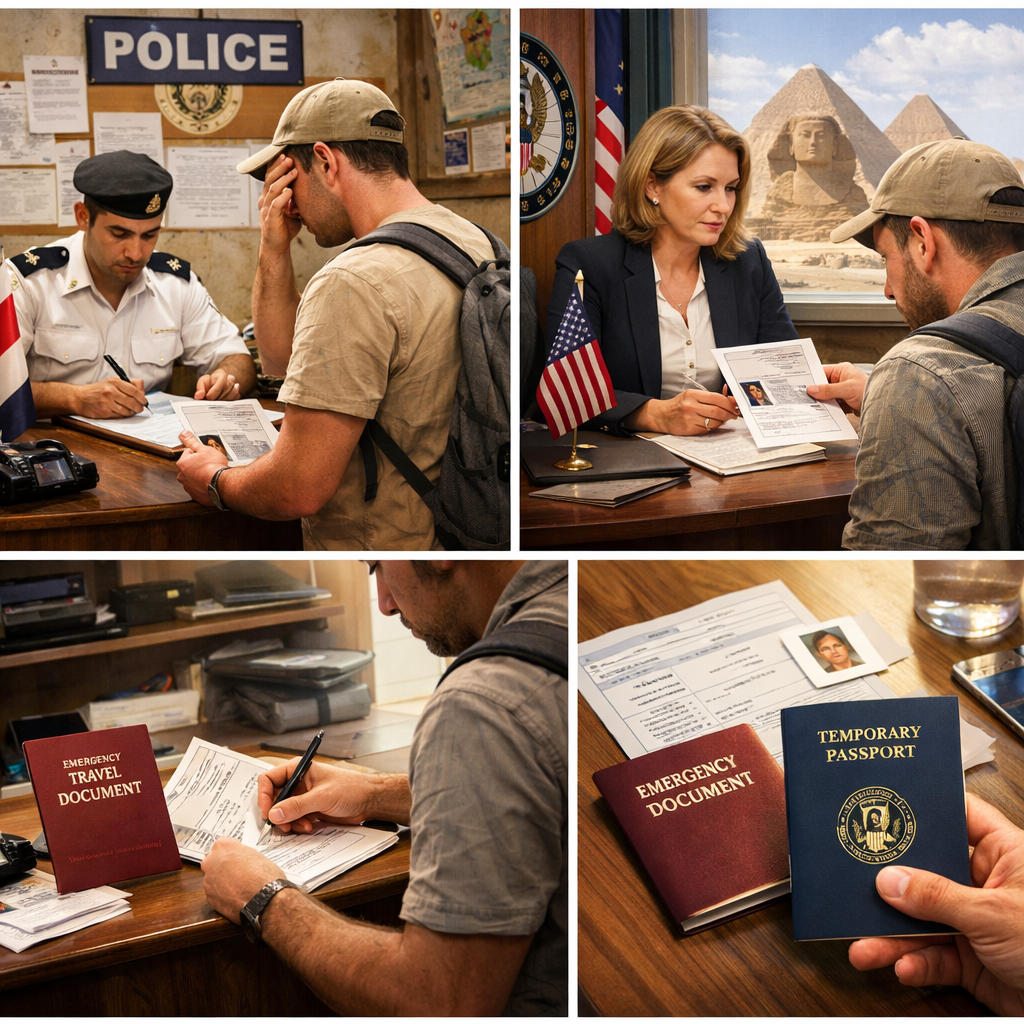
Losing a passport while traveling in Egypt can be stressful, but taking prompt action can help resolve the situation smoothly. Key points to follow include:


  1. Report to Local Authorities: Immediately inform the nearest police station and obtain a loss report.
  2. Contact Your Embassy or Consulate: Reach out to your home country’s embassy or consulate in Egypt for guidance and emergency travel documents.
  3. Provide Identification: Be ready to present any secondary identification, copies of your passport, or travel documents if available.
  4. Apply for a Replacement Passport: Follow your embassy’s procedures to get a temporary or full replacement passport.

Conclusion:

Securing an Egypt visa is a straightforward digital process that opens the door to a world of ancient history and modern luxury. For citizens of Saudi Arabia, the eVisa system offers the speed and convenience needed for modern travel, with processing times as short as two days. By preparing your passport bio page in advance and choosing the entry type that fits your itinerary, you can focus on the more exciting parts of your trip like deciding which temple to visit first or which beach to lounge on. Always remember to carry a printed copy of your approved visa and keep your travel documents safe throughout your journey.

Egypt eVisa eligibility refers to the criteria that determine whether a traveler can apply for an electronic visa to enter Egypt, including nationality, valid passport, and purpose of visit.

Meeting the eligibility requirements ensures a smooth application process and allows travelers to legally enter Egypt for tourism or short-term visits.

Cameroon eVisa Requirements for Austrian Passport Holders

For Austrian travelers planning a memorable journey, obtaining a Cameroon eVisa for Austrian citizens is the first step to exploring the vibrant landscapes and rich cultural heritage of Cameroon. From the bustling streets of Yaoundé to the scenic beauty of the Waza National Park, Cameroon offers tourists an unforgettable experience. With an eVisa, Austrian visitors can easily plan their trip, enjoy hassle-free entry, and immerse themselves in the unique traditions, music, and cuisine that define the country. Whether it’s exploring the colorful local markets or trekking through lush rainforests, having a Cameroon eVisa ensures a smooth start to your adventure.

Cameroon’s diverse attractions make it a perfect destination for Austrian tourists seeking both relaxation and adventure. By securing a  Cameroon eVisa for Austria citizens , visitors can conveniently travel to picturesque beaches along the Atlantic coast, witness majestic wildlife, and experience the warmth of local hospitality. The eVisa process simplifies travel planning, allowing tourists to focus on discovering cultural landmarks, historic sites, and natural wonders. For anyone from Austria looking to explore Central Africa’s hidden gems, this eVisa opens the door to an extraordinary and enriching travel experience in Cameroon.

What are the Cameroon eVisa types for Austrian travelers?

Austrian citizens can choose from several visa categories depending on their length of stay and the frequency of their visits. Selecting the correct category is vital as it dictates your legal stay limits.

Short-Stay Options (Leisure & Business)

  • Short Stay (0 to 6 months): Available in both Single Entry and Multiple Entry formats. This is the most common choice for tourists and business professionals.
  • Express Short Stay: Designed for urgent travel, offering the same 0-6 month validity but with expedited processing.

Long-Stay Options (Family & Extended Business)

  • Long Stay (6 months to 1 year): These are issued for extended periods, available as Single Entry or Multiple Entry. These are ideal for those visiting family or engaged in long-term projects.

Transit Options (Stopovers)

  • Transit (1 to 4 days): Available for both Single and Multiple entries.
  • Transit (Over 4 days): For longer stopovers, typically up to 5 or 10 days, available in Single or Multiple entry formats.

How to apply for Cameroon eVisa from Austria?

The application process is entirely digital. You do not need to visit a physical consulate in Berlin or Geneva (which often handle Austrian jurisdictions) unless specifically requested for biometric enrollment.

  1. Form Completion: Enter your personal details, passport info, and travel dates exactly as they appear on your documents.
  2. Document Upload: Attach high-resolution scans of your passport, flight tickets, and certificates.
  3. Fee Payment: Pay the government and service fees using a credit or debit card.
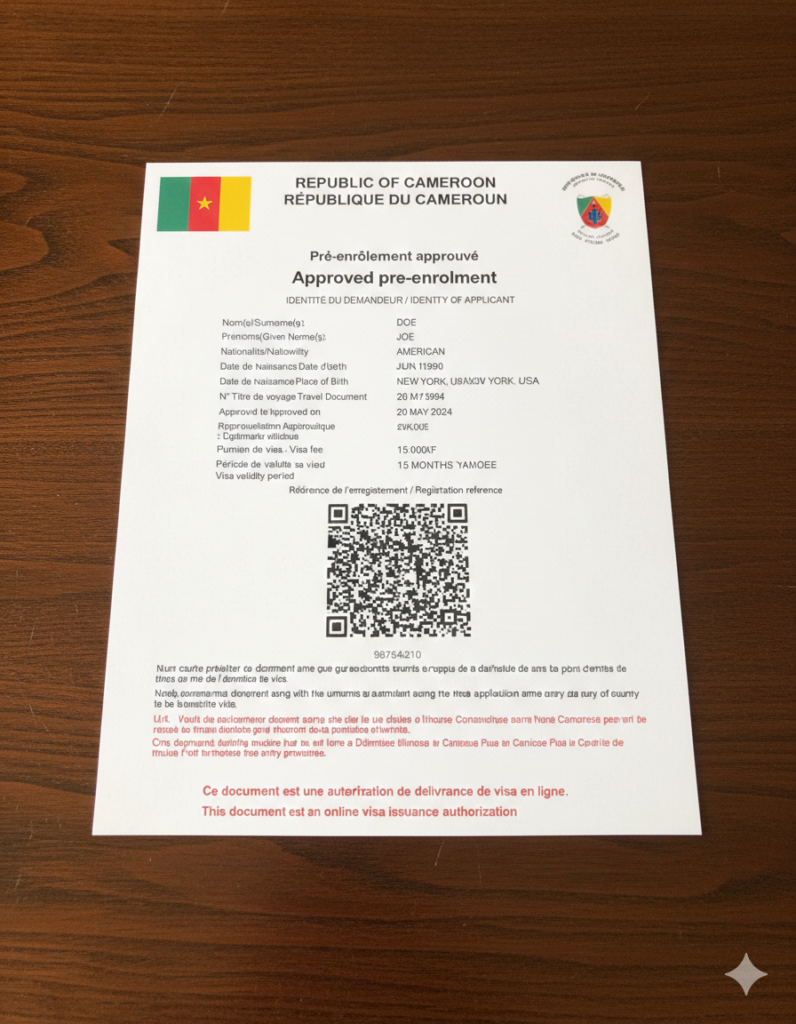
  4. Authorization Receipt: Once approved, you receive a Visa Authorization with a QR Code via email. Print this out; it is your “golden ticket” to board your flight.

What is the Cameroon eVisa processing time?

For Austrian travelers applying for a Cameroon eVisa for Austria citizens, the time it takes to receive authorization depends on the urgency of the trip. Standard processing usually takes 9 to 11 business days, making it ideal for those planning vacations well in advance. For travelers with tighter schedules, rush processing reduces the waiting period to 7 to 9 business days, providing a quicker solution for urgent plans. In cases of last-minute travel, whether for business or personal reasons, super rush processing ensures that the eVisa is issued within 5 to 7 business days. By choosing the service level that fits your travel needs, Austrian visitors can efficiently manage their Cameroon trip and enjoy a smooth entry process.

What are the document requirements for Austrian citizens?

To avoid delays, ensure every scan is clear and every document is valid. The following are mandatory for a successful Cameroon eVisa application:

  • Valid Austrian Passport: Must have at least 6 months of validity remaining from your date of entry and 2 blank pages.
  • Round-trip Air Ticket: Proof of your intent to depart Cameroon.
  • Proof of Accommodation: A confirmed hotel booking or a legalized Certificate of Accommodation if staying with a host.
  • International Vaccination Certificate: Specifically the “Yellow Card” for Yellow Fever.
  • Evidence of Purpose: An invitation letter for business or a travel itinerary for tourism.
  • Certificate of Residence: Proof of your current address in Austria.

Are bank statements required for a Cameroon eVisa application?

Yes, providing proof of financial sufficiency is a standard part of the vetting process. While the government doesn’t always specify a “minimum balance,” immigration officers look for stability.

  • Duration: Usually, the last 3 to 6 months of statements are required.
  • Quality: Statements should be on bank letterhead or stamped by the bank.
  • Intent: The funds should comfortably cover your accommodation, transport, and daily expenses without the need for local employment.

What is a Cameroon transit visa and who needs it?

A Cameroon transit visa is a special type of visa required for travelers who are passing through Cameroon on their way to another destination and will stay in the country for a short period. It allows passengers to remain in the airport or enter Cameroon briefly without a full tourist or business visa. Here’s a clear overview:

  • Purpose: For travelers connecting through Cameroon on a layover or short stay before continuing to another country.
  • Who Needs It: Passengers whose itinerary includes a stop in Cameroon and who plan to leave the airport or stay for more than a few hours.
  • Duration: Typically valid for a very short period, often up to 72 hours, depending on the traveler’s nationality and flight schedule.
  • Application: Must be obtained before arrival, ensuring smooth transit without immigration issues.
  • Exemptions: Travelers staying strictly in the international transit area may not require this visa.

Which airports in Cameroon have biometric boarding?

Upon arrival with your QR-code authorization, your actual visa sticker will be affixed to your passport at the border. The primary ports of entry equipped for this digital integration include:

  1. Douala International Airport (DLA)
  2. Yaoundé Nsimalen International Airport (NSI)
  3. Garoua International Airport (GRE)

Ensure you have your printed authorization ready for the immigration officer at these biometric stations.

Can I work remotely on a Cameroon tourist eVisa?

No, you cannot work remotely on a Cameroon tourist eVisa. This visa is strictly for tourism, sightseeing, or short visits, and engaging in any form of work, including remote work for a foreign company, is not allowed. Doing so may violate Cameroon’s immigration rules and could lead to penalties or visa issues.

Who is eligible for a Cameroon eVisa?

A Cameroon eVisa allows eligible travelers to enter Cameroon for tourism, business, or short visits. Not everyone can apply, so it’s important to understand the eligibility criteria. Here’s a clear overview:

  • Nationality: Citizens of countries approved by Cameroon for eVisa applications can apply. Austrian travelers can check if they qualify under this program.

  • Purpose of Visit: The eVisa is for tourism, business meetings, or short-term visits not for employment or long-term residence.
  • Valid Passport: Applicants must have a passport valid for at least six months from the date of entry into Cameroon.
  • Travel Documents: A recent passport-sized photo and other supporting documents may be required for verification.
  • Return or Onward Ticket: Travelers should have proof of onward travel or return plans.

How can I avoid common Cameroon eVisa application mistakes?

Many rejections are preventable. Austrian applicants should watch out for:

  • Blurry Scans: If the Machine Readable Zone (MRZ) at the bottom of your passport is unreadable, the application will be rejected.
  • Inconsistent Data: Ensure the name on your flight ticket matches your passport exactly (including middle names).
  • Expired Yellow Fever Jabs: Ensure your vaccine was administered at least 10 days before travel.
  • Insufficient Validity: If your passport expires in 5 months, do not apply; renew your passport first.

What should I do if my eVisa payment failed but money was deducted?

If your Cameroon eVisa for Austria citizens payment fails but the amount has been deducted, it’s important to address the issue promptly to avoid delays in your travel plans. Here’s what you should do:

  • Check Your Bank Statement: Confirm whether the payment was actually deducted or is still pending.
  • Wait for a Short Period: Sometimes, payment processing can take a few hours to reflect correctly.
  • Contact the Payment Provider: Reach out to your bank or payment service to verify the transaction status.
  • Notify the eVisa Support Team: Inform the Cameroon eVisa helpdesk about the failed payment and provide transaction details.
  • Avoid Reapplying Immediately: Wait for confirmation from either your bank or the eVisa support team to prevent duplicate charges.

Can I use an eSIM in Cameroon or should I buy a physical SIM?

When traveling to Cameroon on a Cameroon eVisa for Austrian citizens, staying connected is essential, and you may wonder whether to use an eSIM or a traditional physical SIM card. Here’s a clear overview:

  • eSIM Convenience: eSIMs allow you to activate a mobile plan digitally without needing a physical card, making it ideal for travelers who prefer a hassle-free setup.
  • Network Compatibility: Before relying on an eSIM, ensure your device supports it and that Cameroonian carriers provide eSIM services.
  • Physical SIM Option: Purchasing a local SIM card is widely available in Cameroon and often provides better coverage, data plans, and local call rates.
  • Cost Consideration: Local SIMs can be more cost-effective for longer stays, while eSIMs are convenient for short trips or temporary use.
  • Activation Ease: Both eSIM and physical SIM require registration with your identification, so having your passport handy is necessary.

Conclusion: 

Navigating the entry requirements for Central Africa is a vital step in ensuring your trip from Austria to Cameroon remains stress-free and productive. By securing your Cameroon eVisa through the digital portal, you bypass the old-school bureaucratic hurdles of physical embassy visits, provided you have your documentation, specifically your Yellow Fever certificate and flight itinerary organized in advance. Whether you are traveling to the bustling markets of Douala, the administrative heart of Yaoundé, or the breathtaking landscapes of the West Region, having your QR-code authorization printed and ready is your primary responsibility. Remember that while the digital system simplifies the application, the final visa sticker is still placed in your passport upon arrival at the biometric stations. Stay mindful of your stay duration and ensure you do not overstay the validity of your specific visa type to avoid heavy fines or exit complications. With your Austrian passport in hand and your health credentials verified, you are fully prepared to explore everything “Africa in Miniature” has to offer.

Cameroon eVisa Requirements for Austrian Passport Holders

For Austrian travelers planning a memorable journey, obtaining a Cameroon eVisa for Austrian citizens is the first step to exploring the vibrant landscapes and rich cultural heritage of Cameroon. From the bustling streets of Yaoundé to the scenic beauty of the Waza National Park, Cameroon offers tourists an unforgettable experience. With an eVisa, Austrian visitors can easily plan their trip, enjoy hassle-free entry, and immerse themselves in the unique traditions, music, and cuisine that define the country. Whether it’s exploring the colorful local markets or trekking through lush rainforests, having a Cameroon eVisa ensures a smooth start to your adventure.

Cameroon’s diverse attractions make it a perfect destination for Austrian tourists seeking both relaxation and adventure. By securing a Cameroon eVisa for Austria citizens , visitors can conveniently travel to picturesque beaches along the Atlantic coast, witness majestic wildlife, and experience the warmth of local hospitality. The eVisa process simplifies travel planning, allowing tourists to focus on discovering cultural landmarks, historic sites, and natural wonders. For anyone from Austria looking to explore Central Africa’s hidden gems, this eVisa opens the door to an extraordinary and enriching travel experience in Cameroon.

What are the Cameroon eVisa types for Austrian travelers?

Austrian citizens can choose from several visa categories depending on their length of stay and the frequency of their visits. Selecting the correct category is vital as it dictates your legal stay limits.

Short-Stay Options (Leisure & Business)

Short Stay (0 to 6 months): Available in both Single Entry and Multiple Entry formats. This is the most common choice for tourists and business professionals.
Express Short Stay: Designed for urgent travel, offering the same 0-6 month validity but with expedited processing.

Long-Stay Options (Family & Extended Business)

Long Stay (6 months to 1 year): These are issued for extended periods, available as Single Entry or Multiple Entry. These are ideal for those visiting family or engaged in long-term projects.

Transit Options (Stopovers)

Transit (1 to 4 days): Available for both Single and Multiple entries.
Transit (Over 4 days): For longer stopovers, typically up to 5 or 10 days, available in Single or Multiple entry formats.

How to apply for Cameroon eVisa from Austria?

The application process is entirely digital. You do not need to visit a physical consulate in Berlin or Geneva (which often handle Austrian jurisdictions) unless specifically requested for biometric enrollment.

Form Completion: Enter your personal details, passport info, and travel dates exactly as they appear on your documents.
Document Upload: Attach high-resolution scans of your passport, flight tickets, and certificates.
Fee Payment: Pay the government and service fees using a credit or debit card.
Authorization Receipt: Once approved, you receive a Visa Authorization with a QR Code via email. Print this out; it is your “golden ticket” to board your flight.

What is the Cameroon eVisa processing time?

For Austrian travelers applying for a Cameroon eVisa for Austria citizens, the time it takes to receive authorization depends on the urgency of the trip. Standard processing usually takes 9 to 11 business days, making it ideal for those planning vacations well in advance. For travelers with tighter schedules, rush processing reduces the waiting period to 7 to 9 business days, providing a quicker solution for urgent plans. In cases of last-minute travel, whether for business or personal reasons, super rush processing ensures that the eVisa is issued within 5 to 7 business days. By choosing the service level that fits your travel needs, Austrian visitors can efficiently manage their Cameroon trip and enjoy a smooth entry process.

What are the document requirements for Austrian citizens?

To avoid delays, ensure every scan is clear and every document is valid. The following are mandatory for a successful Cameroon eVisa application:

Valid Austrian Passport: Must have at least 6 months of validity remaining from your date of entry and 2 blank pages.
Round-trip Air Ticket: Proof of your intent to depart Cameroon.
Proof of Accommodation: A confirmed hotel booking or a legalized Certificate of Accommodation if staying with a host.
International Vaccination Certificate: Specifically the “Yellow Card” for Yellow Fever.
Evidence of Purpose: An invitation letter for business or a travel itinerary for tourism.
Certificate of Residence: Proof of your current address in Austria.

Are bank statements required for a Cameroon eVisa application?

Yes, providing proof of financial sufficiency is a standard part of the vetting process. While the government doesn’t always specify a “minimum balance,” immigration officers look for stability.

Duration: Usually, the last 3 to 6 months of statements are required.
Quality: Statements should be on bank letterhead or stamped by the bank.
Intent: The funds should comfortably cover your accommodation, transport, and daily expenses without the need for local employment.

What is a Cameroon transit visa and who needs it?

A Cameroon transit visa is a special type of visa required for travelers who are passing through Cameroon on their way to another destination and will stay in the country for a short period. It allows passengers to remain in the airport or enter Cameroon briefly without a full tourist or business visa. Here’s a clear overview:

Purpose: For travelers connecting through Cameroon on a layover or short stay before continuing to another country.
Who Needs It: Passengers whose itinerary includes a stop in Cameroon and who plan to leave the airport or stay for more than a few hours.
Duration: Typically valid for a very short period, often up to 72 hours, depending on the traveler’s nationality and flight schedule.
Application: Must be obtained before arrival, ensuring smooth transit without immigration issues.
Exemptions: Travelers staying strictly in the international transit area may not require this visa.

Which airports in Cameroon have biometric boarding?

Upon arrival with your QR-code authorization, your actual visa sticker will be affixed to your passport at the border. The primary ports of entry equipped for this digital integration include:

Douala International Airport (DLA)
Yaoundé Nsimalen International Airport (NSI)
Garoua International Airport (GRE)

Ensure you have your printed authorization ready for the immigration officer at these biometric stations.

Can I work remotely on a Cameroon tourist eVisa?

No, you cannot work remotely on a Cameroon tourist eVisa. This visa is strictly for tourism, sightseeing, or short visits, and engaging in any form of work, including remote work for a foreign company, is not allowed. Doing so may violate Cameroon’s immigration rules and could lead to penalties or visa issues.

Who is eligible for a Cameroon eVisa?

A Cameroon eVisa allows eligible travelers to enter Cameroon for tourism, business, or short visits. Not everyone can apply, so it’s important to understand the eligibility criteria. Here’s a clear overview:

Nationality: Citizens of countries approved by Cameroon for eVisa applications can apply. Austrian travelers can check if they qualify under this program.

Cameroon eVisa for Citizens of Azerbaijan
Cameroon eVisa for Citizens of the Bahamas
Cameroon eVisa for Citizens of Bahrain
Cameroon eVisa for Citizens of Bangladesh
Cameroon eVisa for Citizens of Barbados

Purpose of Visit: The eVisa is for tourism, business meetings, or short-term visits not for employment or long-term residence.
Valid Passport: Applicants must have a passport valid for at least six months from the date of entry into Cameroon.
Travel Documents: A recent passport-sized photo and other supporting documents may be required for verification.
Return or Onward Ticket: Travelers should have proof of onward travel or return plans.

How can I avoid common Cameroon eVisa application mistakes?

Many rejections are preventable. Austrian applicants should watch out for:

Blurry Scans: If the Machine Readable Zone (MRZ) at the bottom of your passport is unreadable, the application will be rejected.
Inconsistent Data: Ensure the name on your flight ticket matches your passport exactly (including middle names).
Expired Yellow Fever Jabs: Ensure your vaccine was administered at least 10 days before travel.
Insufficient Validity: If your passport expires in 5 months, do not apply; renew your passport first.

What should I do if my eVisa payment failed but money was deducted?

If your Cameroon eVisa for Austria citizens payment fails but the amount has been deducted, it’s important to address the issue promptly to avoid delays in your travel plans. Here’s what you should do:

Check Your Bank Statement: Confirm whether the payment was actually deducted or is still pending.
Wait for a Short Period: Sometimes, payment processing can take a few hours to reflect correctly.
Contact the Payment Provider: Reach out to your bank or payment service to verify the transaction status.
Notify the eVisa Support Team: Inform the Cameroon eVisa helpdesk about the failed payment and provide transaction details.
Avoid Reapplying Immediately: Wait for confirmation from either your bank or the eVisa support team to prevent duplicate charges.

Can I use an eSIM in Cameroon or should I buy a physical SIM?

When traveling to Cameroon on a Cameroon eVisa for Austrian citizens, staying connected is essential, and you may wonder whether to use an eSIM or a traditional physical SIM card. Here’s a clear overview:

eSIM Convenience: eSIMs allow you to activate a mobile plan digitally without needing a physical card, making it ideal for travelers who prefer a hassle-free setup.
Network Compatibility: Before relying on an eSIM, ensure your device supports it and that Cameroonian carriers provide eSIM services.
Physical SIM Option: Purchasing a local SIM card is widely available in Cameroon and often provides better coverage, data plans, and local call rates.
Cost Consideration: Local SIMs can be more cost-effective for longer stays, while eSIMs are convenient for short trips or temporary use.
Activation Ease: Both eSIM and physical SIM require registration with your identification, so having your passport handy is necessary.

Conclusion:

Navigating the entry requirements for Central Africa is a vital step in ensuring your trip from Austria to Cameroon remains stress-free and productive. By securing your Cameroon eVisa through the digital portal, you bypass the old-school bureaucratic hurdles of physical embassy visits, provided you have your documentation, specifically your Yellow Fever certificate and flight itinerary organized in advance. Whether you are traveling to the bustling markets of Douala, the administrative heart of Yaoundé, or the breathtaking landscapes of the West Region, having your QR-code authorization printed and ready is your primary responsibility. Remember that while the digital system simplifies the application, the final visa sticker is still placed in your passport upon arrival at the biometric stations. Stay mindful of your stay duration and ensure you do not overstay the validity of your specific visa type to avoid heavy fines or exit complications. With your Austrian passport in hand and your health credentials verified, you are fully prepared to explore everything “Africa in Miniature” has to offer.